4 Spiritual Lessons People of Other Faiths Can Teach Christians
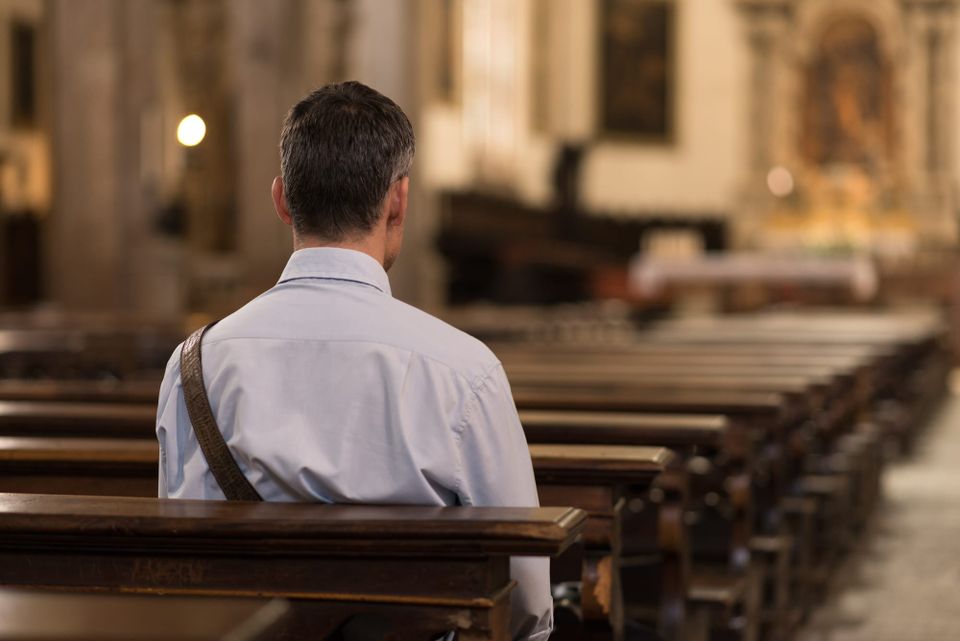
Years ago, at an airport prayer room in Thailand, I asked to pray alongside a devout Muslim. He faced west toward Mecca, and I looked upward at the ceiling. He knelt on a rug, and I stood on the floor with outstretched arms.
We both prayed outloud at the same time, and I'm sure it sounded weird. I felt like Elijah praying next to the pagan prophets on Mount Carmel, to see which one would win. (I know Yahweh won this one, as well!)
Normally, I don’t interact in a spiritually intimate manner with those of other faiths — especially with followers of Islam in airport prayer rooms. I don't recommend it, but I was young, zealous, and naive. My heart was to connect with this man, show him I loved God, and bring him to Jesus.
Throughout my world travels as a missionary, I have appreciated how Hindus, Buddhists, Jews, and Muslims consistently devote themselves to practicing their faith — even when it’s inconvenient. I realized there is much Christians can learn about interacting with God from the habits of those who follow different creeds.
Prayer is Paramount
Prayer is of utmost importance in Islam, and I wish I prayed more. In fact, it’s listed as the second of the Five Pillars (with confession of faith being number one). Muslims are required to pray a whopping five times a day, facing the direction of their holy place. Their first call to prayer is at dawn, and they pray bowing on a mat called a sajjāda.
I can relate. When the sun rises, I’m usually lying prostrate as well — only I’m on my mattress and facing my pillow. I want to pray more, but I’ve placed an unconscious moratorium on any serious activity before 8 a.m. Even on Sunday mornings, I’ve attended a Bedside Baptist service more than a few times.
Jesus, the author and perfector of our faith, models prayer as a cornerstone of Christianity. He tells His followers in Matthew to “Ask, and it will be given to you. Seek, and you will find; knock, and it will be opened to you.” The book of James also says, “The prayer of a righteous person is powerful and effective.”
Christians would do well to stay faithful in prayer. Throwing up sporadic prayers during commutes or classes can be helpful, but dedicating specific time daily for focused prayer is truly invaluable. What about making a prayer schedule? What about following a liturgical prayer calendar? Whatever you do, setting aside time each day for focused prayer is invaluable.
Fasting is More About Feasting
Each year, Muslims fast from dawn until dusk during the holy month of Ramadan. They rely on this time to “ . . . purify the soul, refocus attention on God, and practice self-sacrifice.” And for 31 days straight.
I’m no stranger to fasting. Once, I abstained from eating candy for the duration of Lent — an entire 40 days without any sweets, if we’re counting. Impressive, I know.
Fasting grows our faith in two ways. First, it frees our time to connect to the Lord when we’d otherwise be munching on a burrito. Second, the pangs of hunger remind us how much we need our Father in Heaven. A friend said this practice shouldn’t be seen as fasting from food but feasting on God. I agree!
It’s impressive that followers of Islam are also required to abstain from smoking, sex, and drinking liquids during their holy season. They do eat generously before sun-up and after sun-down, but twelve hours without water? I can tip my hat to that.
On our side, starting a “Facebook Fast” or abstaining from chocolate has merit, but it’s incomparable to what men and women from other faiths endure. Remember, the blessing is not in the amount that we give up, per se, but in the number of godly things that we replace them with.
Hospitality Honors the Stranger
It’s difficult to miss the extreme hospitality travelers often receive from Muslims in the Middle East. Once, in a random shop in Jerusalem, the owner doled out fresh bread and hummus for a friend and me to enjoy. Also, recently in Central Asia, another friend was affectionately “adopted” into an Islamic family upon her first visit to their home.
As believers in The Way, going the extra mile for guests is a powerful witness to the love of Christ. I'm only beginning to learn this. Last month, I allowed a newlywed couple to sleep on our blow-up air mattress for a week, though I didn’t cook them any fresh meals. But the lovebirds did have access to all the leftovers lingering in the refrigerator.
In the New Testament, the Greek word for hospitality (philoxenos) actually means “the love of strangers.” It’s one thing to invite our usual gang over for a Super Bowl party, but showing “benevolence . . . to those outside our normal circle of friends” is the true meaning of this practice.
It’s unbiblical that Western culture is so private. How can we love even our neighbor when our doors are locked and our windows boarded? It wasn’t Jesus who marketed the term “stranger danger.” Instead, Christ says that we do this unto Him when we invite outsiders to join us (Matthew 25:31-46).
Storing Scripture
Muslims are encouraged to memorize as many passages of the Qur’an as possible. They believe that God will bestow many blessings for their efforts. Every year, Muslims who have memorized the Qur’an travel from around the world to compete for the Dubai International Holy Quran Award.
My 15 minutes of spiritual fame involved memorizing all three chapters of Jesus’ Sermon on the Mount. That was seven years ago. Since then, I have lost my place in the spotlight, but I do remember the hours of mental travail it took to accomplish this feat.
Overall, it’s impossible to follow the What Would Jesus Do model if we don’t understand how He lived in the Bible. Memorizing scripture places Jesus’ ways at the forefront of our minds and forms our will to His.
In a social-media world where screens imprison us, it’s easy to become distracted from what matters most. Important character growth and hearing God’s voice are often only achieved through engaging in these trustworthy disciplines. And if members of other faiths dedicated themselves to this process, it’s probably time for me to leave Pastor Pillow's church.





Member discussion