How I Got a Book Deal (and How You Can Too)
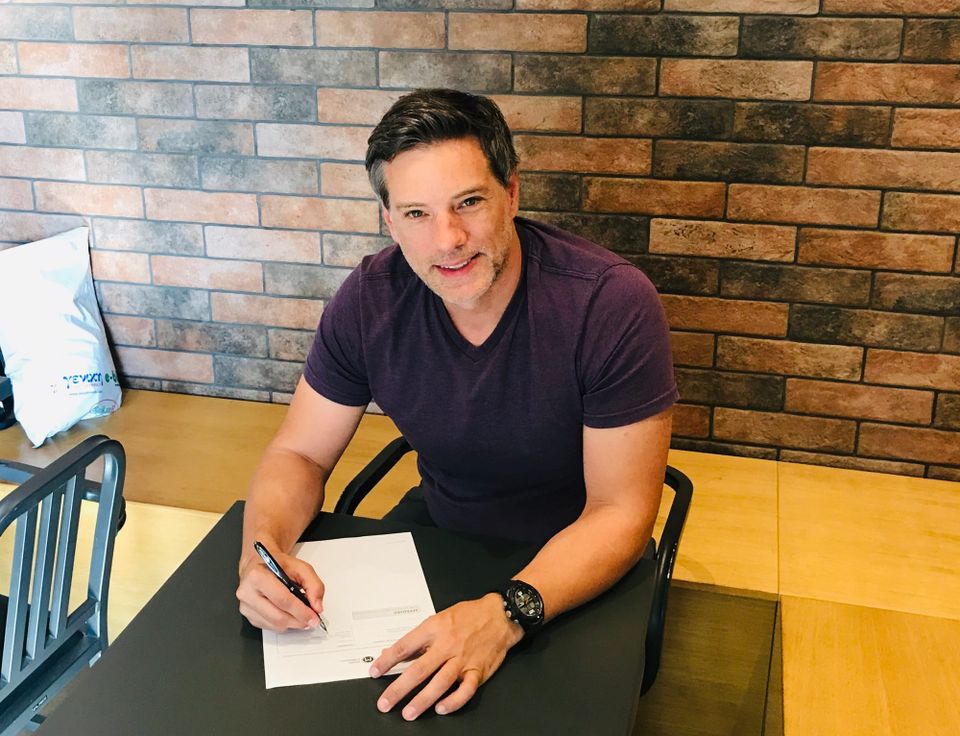
Most people who dream of getting a book deal don’t actually know how publishing works. I didn’t either. In this post, I share what it was really like to land a traditional book deal and the steps that made it possible. If you’re an aspiring author wondering how to get published without guessing, this is the honest roadmap I wish I had earlier.
When people talk about “getting published,” they often mix two very different paths: traditional publishing and self-publishing. This article focuses on traditional publishing — selling a book on proposal and signing with a publisher.
Self-publishing is a valid route, but it follows a completely different process and set of risks.
Whichever way you take, the most important part is finishing your book. Here's my story of how I signed a traditional book traditional deal with Moody Publishing in 2019 for my book, How Should a Christian Date?
Start Blogging
Since 2001, I thought to myself, I could write a book. I penned hundreds of pages in college and grad school, but not much beyond academia. In 2011, I met with author Eric Sandras and asked him how he wrote his books. Eric recommended that I begin blogging. So I did.
One of my first posts was an epitaph to my late professor-friend, Dr. Gene Carpenter. If you're an aspiring writer, begin writing with what's in your heart. You learn by doing, and the initial content matters less than the process. I am surprised at how many writers don't write. You also learn by receiving and implementing mountains of feedback.
Writers' hearts are imprinted in their words, so hearing what others think can be painful at first. The difference between writing for you (blogging) versus writing for others is that the former focuses on what's in your heart, and the latter is about what everyone else wants from you.
Submit Articles Online
The more I began blogging, the better writer I became. Then I started writing articles. I consider articles more professional than blog posts. When a famous ministry posted my first article, I was thrilled. After that, they paid me to write one.
During and after the creative process, however, one editor's feedback was brutal. Even though my first paid article was well received by their audience, the editor not-so-subtly told me I didn't write professionally and that my work takes too long to edit.
On the one hand, I agreed with her that I was a little rough around the edges. At the same time, I didn't see my work as unprofessional. But I used her criticism as fuel to grow. Now I know that some editors simply don't like every writing style.
For several years, various Christian websites published my articles pro bono. My friends and I sat around watching them propagate on social media, along with the outrageous comments they received. Writing free articles was rewarding, but I didn't want to give away my words for the rest of my life.
A couple of years later, I realized I wrote well enough to support and sell a book. I began the process.
Make a Decision to do It
Standing in my roommate's office, I promised my stepdad on the phone, "I'm going to write a book." I stuck an anchor in the ground and decided I needed to do this.
He replied, "Go ahead. I know you can."
My next task was scheduling a writing retreat four hours away in the Colorado Rockies. I had to ditch town for two weeks to focus, outline, and give this book a real go. It was just what I needed.
Before that, however, I stopped by Walmart and bought two bags full of office supplies, including markers, notebooks, notecards, highlighters, pens, and pencils. I loaded my massive whiteboard into my white '92 Acura Integra and left to outline my book.
No one told me how to write a book. I only knew how to outline and write articles. So, I figured that since most of my online pieces were about 1,000 words, I'd need about four or five of these for each chapter. This idea of "chunking" (breaking large pieces of information into smaller ones) encouraged me to believe I could actually write an entire book.
I also needed a template for a book proposal and found several online. The most helpful templates came from people who had written books or worked in the publishing industry. I modeled my proposal after one I received from an acquaintance who worked at Zondervan.
After hundreds of hours of work, including outlining my book, summarizing each chapter, creating my bio, writing two full chapters, and the edits, it was complete.
Finding a Publisher
In a few minutes, the airplane boarded for Budapest. As I sat with my laptop open in the terminal, I wanted to send my book proposal to at least a few publishers before departing Athens. Step one was completing the book proposal. But now I had to market it to a real publisher.
Why would they choose me?
Up to that point, I had only heard how difficult it was to earn a traditional publishing deal. I heard: "Publishers aren't giving out many new book contracts these days." "You need a social media platform." "You need to self-publish first." "Publishers won't give you the time of day." Those all might have been true, but I decided to go for it anyway.
A few people had also given me the contact information for several literary agents. Literary agents are the brokers who like your book proposal, take up your cause, and try to get you a book deal. But they get a deal, too—a significant cut of your book sales. I didn't want an agent, but also didn't want to miss an opportunity.
When I sent my proposal to the agents, they all heartily rejected me. It wasn't my book proposal they didn't like, it was me. Because I had no significant social media platform, they didn't think my book would be picked up by a publisher.
Fine. I didn't need them anyway.
From that point, I focused on digging up every possible source to connect with publishers. I learned who to contact at each publisher and reached out to them.
One by one, they began responding with "no's." But at least some of them messaged me back. My most encouraging message at the time was from Zondervan. They told me that my words "leap off the page," yet they didn't want me. Oh well.
As the weeks went by, I looked under every rock to find all the publishers and emailed them all. In total, two major publishers praised my book proposal, but basically said, "You write well, Eric, but no one knows you. Go get ten thousand more followers on social media and get back to us."
I didn't want to dump a bunch of money into advertising to gain more followers and wait another two years. I prayed that God would open the right door for someone to believe in my book now. (Side note: You have to believe in your own text before anyone else will. If you're not confident in what you wrote, don't expect others to be.)
Don't Give Up & Be Creative
I kept working hard and found more publishers to send my proposal to. Finally, the Lord answered my prayer. I awoke one morning, leaned over my trundle bed, and checked my phone. My eyes shot wide open as I read an email from a top-tier publisher! They wanted to talk about the book! The editor wanted to set up a call to discuss it further.
I beamed that morning—my first phone call! That led to several emails between us, dozens of questions I needed to answer, and months of waiting for a final decision. From the moment they first contacted me, it took another three months before I was finally offered a contract. That's when I slid across the floor and exclaimed to my friends, "I got the deal!"
If you're a writer and seek a book deal, don't give up. If you're like me and don't have a standout social media following or aren't a pastor of a large church, you'll have to write a superior book proposal. Once you find a solid template, have it professionally edited.
You pay for what you get, so you have a substantial budget to hire a professional. Then ask around and use all your personal and professional contacts to see if they can connect you with someone in the publishing industry. It's all about who you know.
Lastly, many successful writers make professional connections at writers' conferences. Many publishers send their editors there to meet with new writers. These multi-day events aren't cheap, so have a budget for this, too. Bring your book proposal.
Only by God's Grace
I'd be remiss if I didn't mention three points: First, I believe God opened the door for me by His grace. Second, once I got the deal, the actual book writing was a ton of work. Third, just because I got one book contract doesn't mean I'll get another.
I am thankful God brought me a traditional publisher, but I would have self-published. Many authors take this route and sell just as many books (if not more) as if a traditional publisher printed them.
Don't give up on your dream. Whatever it is, whether it's to write a book, go back to school, get married, or land your ideal job, keep going. Your biggest goals are way bigger than you and can seem overwhelming at first. But you can only turn them into reality by acting.
What's your dream? Or, what would you do if you knew you couldn't fail? And what small step can you take today to realize it? Make a plan and go for it. By God's goodness and a lot of hard work, I landed a book deal, and you can, too.
Member discussion